Dear reader,
The buzzword for our digital generation is boundaries.
Boundaries between ourselves to others, our work and personal life, or our internal worlds from emotional to cognitive selves.
Separations allow us distance and space to consider our actions and responses. It fosters a sense of control in an otherwise sensory-indulgent world where immediacy wins over sustainability.
Boundaries are usually considered when we feel like another individual infringes on our space. But boundaries are workable, multidimensional, and movable.
The Flame
Imagine it’s a dark night, and the power goes out. You look for a candle. With a match, you light a flame that emits a flicker that cascades a bouncing light and shadow. You feel safe again.
Relating this scene to boundaries, we can consider “the power outage” when there’s a boundary crossing or resource depletion in response to a challenging circumstance. Finding a match parallels our recognition and action in adjusting our approach to our situation. While the newfound light symbolizes the need for movement in our space enabling a balance between parts, internal and external or shadows and light.
Finding a balance
When configuring our boundaries, we consider our and others’ comfort levels, needs, and availability. These considerations highlight the need for movement in our separations while providing space to adjust or find a new candle. Boundaries are not meant to be restrictive or permanent fixtures but rubberbanding spaces, allowing a movable balance.
Defining boundaries
What are your boundaries? What do they mean to you?
Below is Taylor Swift’s song, “Dear Reader,” considering the motion of boundaries and giving yourself time to adjust and readjust. Take a listen, and reflect on how your light moves.
Till Later,
R.A.F.
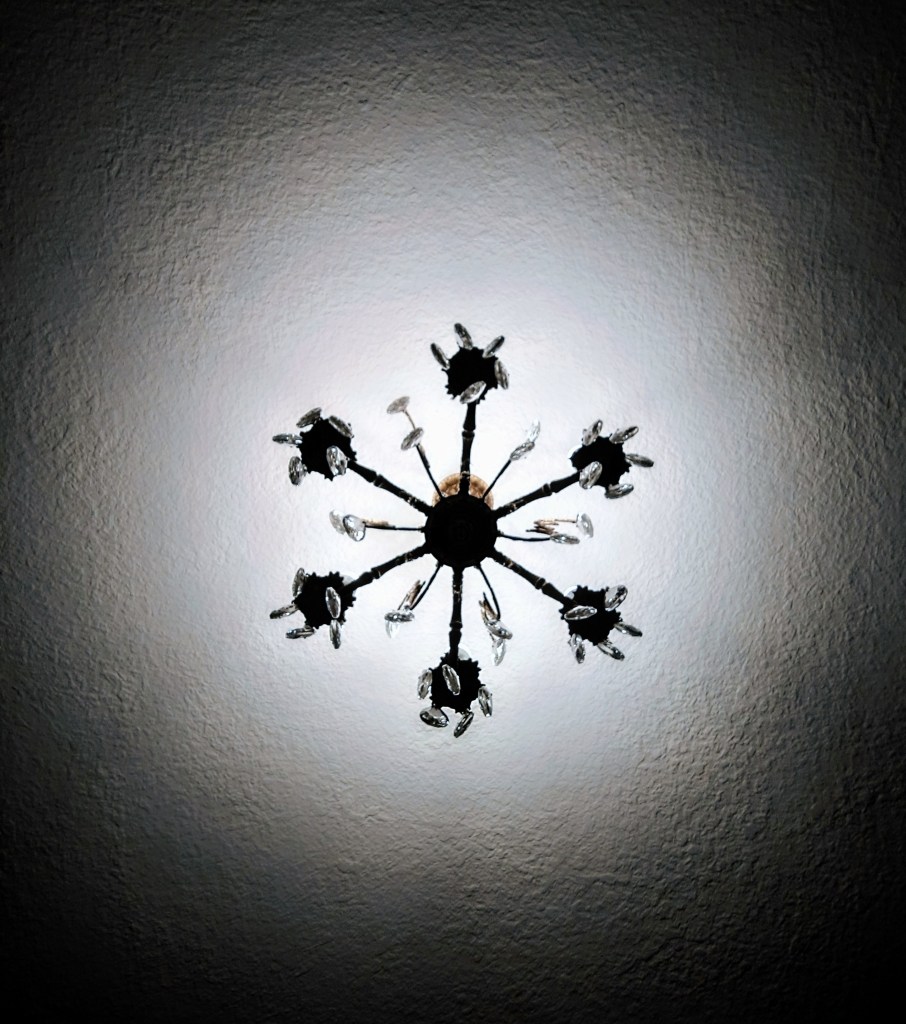
Finding a new light.
Photograph © All Rights reserved @rachaelaf18
 The Mind Monocle
Leave a comment